
What to do after a final rejection
A request for continued examination, an appeal and a continuation each buy something different, so match the path to the dispute.
Lesson 4 of 12 · 5 min
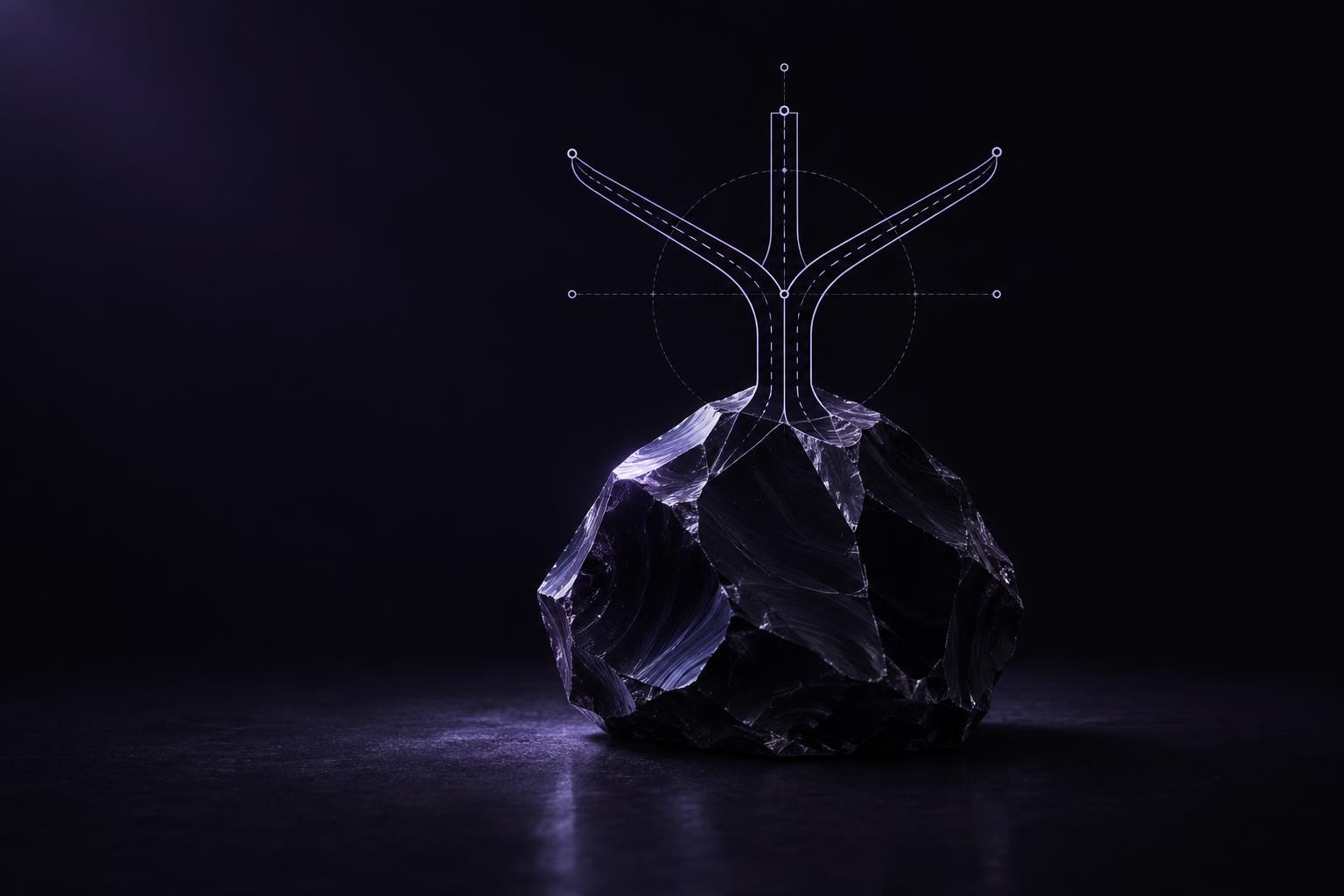
A final rejection is a fork in the road. Three main paths lead on from it, and each one buys something different.
Request for continued examination
A request for continued examination (RCE) reopens prosecution when you file it with a submission, and it withdraws the finality of the rejection. You must file it before paying the issue fee, before abandonment and before court review. It is not available for provisional or design applications (37 CFR 1.114).
An RCE buys more conversation with the examiner, which suits a case where a claim change could solve the problem. It has a hidden cost. Patent term adjustment (PTA) is extra term that makes up for Office delay, and RCE time is excluded from its 3-year guarantee (35 USC 154).
Appeal
An appeal asks the Patent Trial and Appeal Board to review the examiner. An applicant whose claims were twice rejected may appeal, and a final rejection is not required. The brief is due 2 months from the notice of appeal. A Pre-Appeal Brief Conference request of up to 5 pages may be filed with the notice (MPEP 1204).
An appeal buys a decision from someone other than your examiner (MPEP 1204). In our judgment, it suits a clean legal dispute better than a case that needs new claim language.
Continuation
A continuation is a new application that claims the benefit of an earlier one. It needs copendency (the earlier case must still be alive), written support under section 112, a common inventor and a specific reference to the earlier case (35 USC 120). A divisional claims only matter from the parent, while a continuation-in-part may add new matter (MPEP 201). Section 121 shields divisionals filed after a restriction requirement (35 USC 121).
Continuations extend your options, not your term (35 USC 154). They let you keep pursuing different claims while another case proceeds.
Watch for double patenting
Related patents can draw a double patenting rejection, which objects to claiming essentially the same invention twice. A terminal disclaimer may give up term to overcome it (35 USC 253). It also has an ownership cost: the patent is enforceable only while commonly owned with the reference patent (37 CFR 1.321). That matters if you may ever sell one patent without the other.
Timeless wisdom
An RCE reopens prosecution and withdraws finality (37 CFR 1.114), but its time is excluded from the 3-year term guarantee (35 USC 154). An applicant whose claims were twice rejected may appeal (MPEP 1204). A continuation needs copendency, section 112 support, a common inventor and a specific reference (35 USC 120), and it extends options, not term (35 USC 154). A terminal disclaimer may give up term to overcome double patenting (35 USC 253), and it ties enforceability to common ownership (37 CFR 1.321).
What's current
As of November 6, 2026
Applications awaiting post-RCE action rose from 14.6K in August 2025 to 30.5K in August 2026 (USPTO deck). In FY2026, 3,684 appeals were filed and 4,829 decided, with 59.8% affirmed, 8.0% affirmed in part and 31.5% reversed (PTAB appeal statistics). In our judgment, those numbers favor appeal for clean legal disputes. The USPTO does not say so.
The Fast-Track Appeals Pilot runs through May 6, 2028, with a four-month target (91 FR 24524). Filing a continuing application or presenting a benefit claim more than 6 or 9 years after the earliest benefit date carries a $2,700 or $4,000 undiscounted surcharge (fee schedule).
Allergan v. MSN (Aug. 13, 2024) protects a first-filed, first-issued, later-expiring claim from double patenting (opinion). Ex parte Baurin (Aug. 6, 2026, precedential) tells examiners to follow pre-Allergan practice unless narrow conditions are met, which it says will "rarely, if ever" arise in original examination (decision).
Key takeaways
- An RCE buys more examination, but its time is excluded from the 3-year term guarantee.
- An appeal buys a new decision-maker, and it does not require a final rejection.
- A continuation extends your options, not your patent term.
- A terminal disclaimer gives up term and ties the patent to common ownership.
Check your understanding
Sources
- 37 CFR 1.114, request for continued examination
- 35 USC 154, contents and term of patent
- MPEP 1204, notice of appeal
- 35 USC 120, benefit of earlier filing date
- MPEP 201, types of applications
- 35 USC 121, divisional applications
- 35 USC 253, disclaimer
- 37 CFR 1.321, statutory and terminal disclaimers
- USPTO FY2026 pendency deck
- PTAB appeal statistics, September 2026
- 91 FR 24524, Fast-Track Appeals Pilot extension
- USPTO fee schedule
- Allergan v. MSN, Federal Circuit opinion
- Ex parte Baurin, precedential decision
The Academy is general education, not legal advice, and reading it doesn't create an attorney-client relationship. Patent law and fees change, so check the linked sources and have a registered patent attorney or agent review your situation before you file. Obsidyan sells patent software, including AI drafting tools, so weigh what these lessons say about AI tools with that in mind.